


The retrofit and extension of the Um Bock School in Differdange preserves far more than a building. It preserves identity, memory, and community connection. Originally built in the 1950s, the school’s concrete structure and interior brick walls were consciously retained, maintaining their material authenticity and aged patina. Instead of replacing damaged areas with new materials, the project embraced an unconventional, community-driven approach to school renovation and sustainable design.
Um Bock School
Retrofitting with Purpose and Participation - Oberkorn, Luxembourg
 Award Winner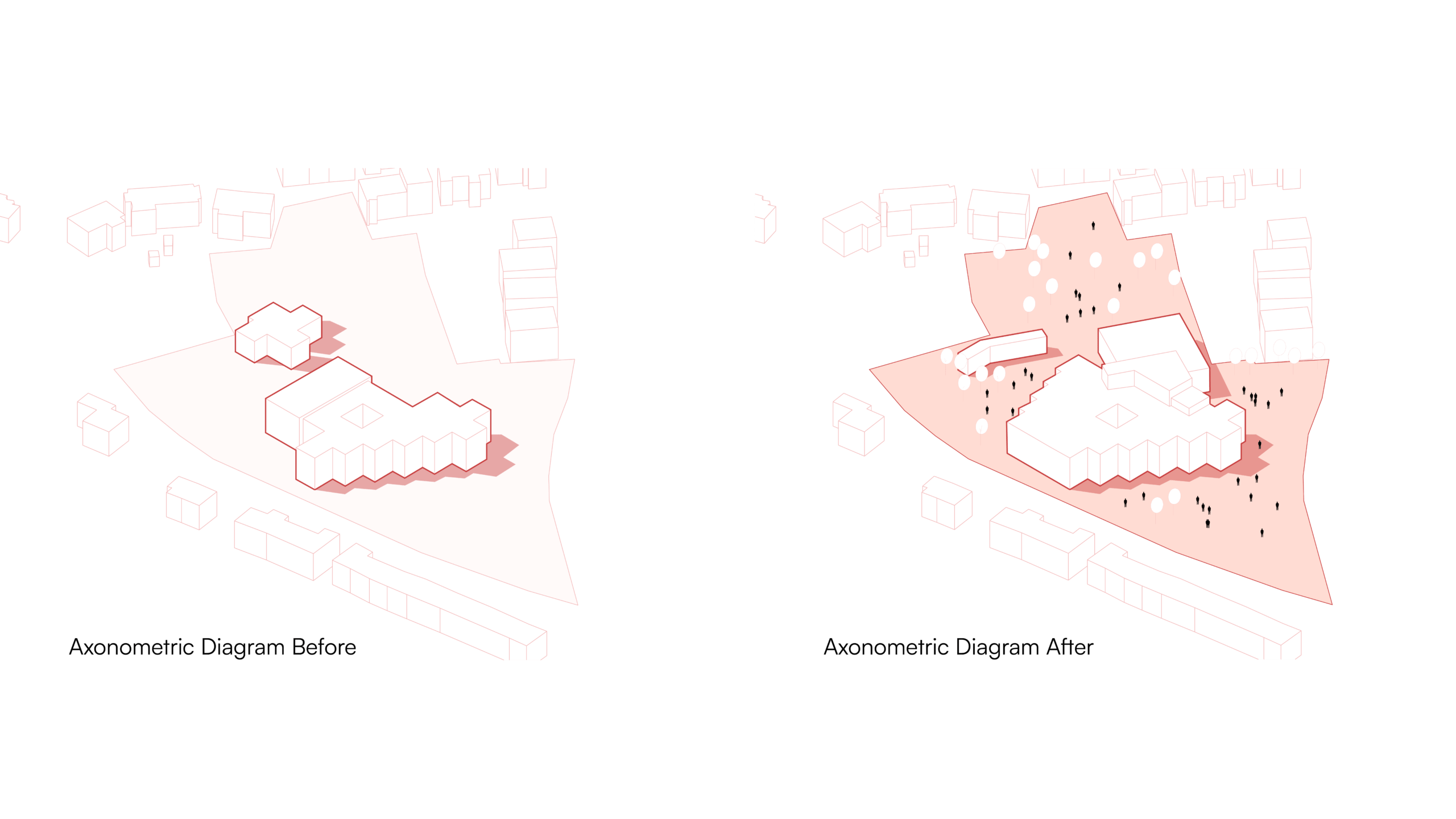
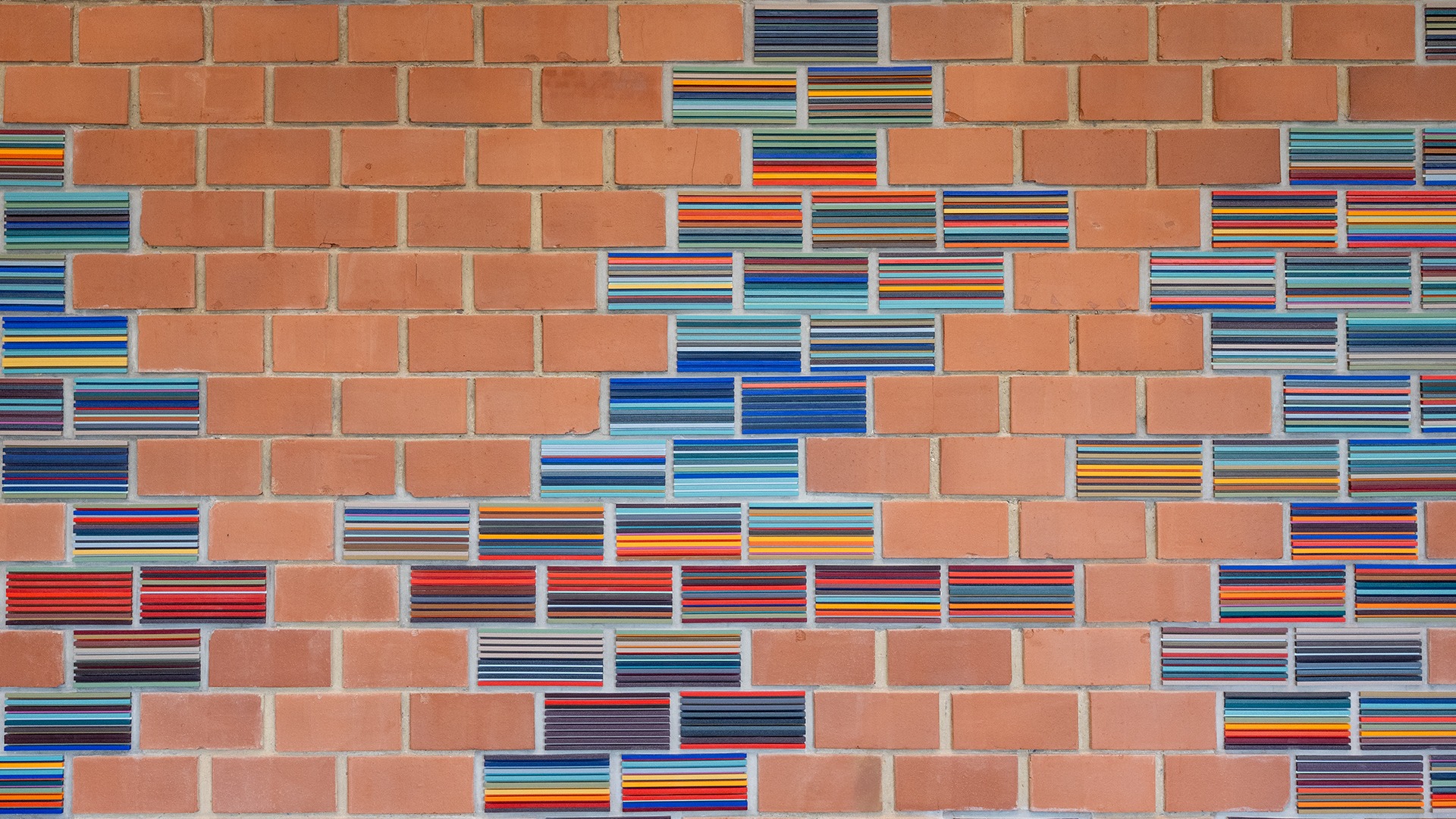
Children’s creativity embedded into the school
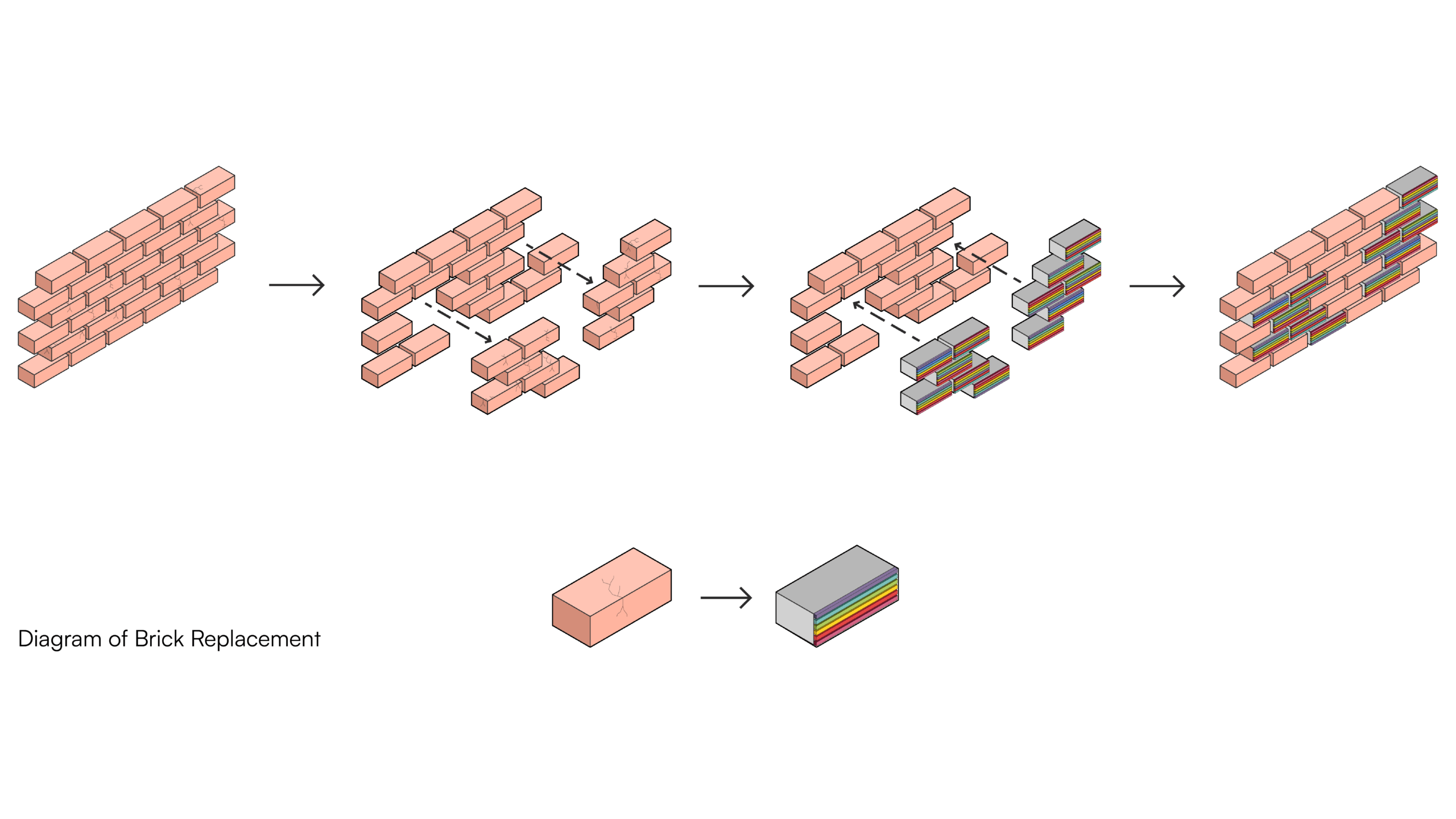
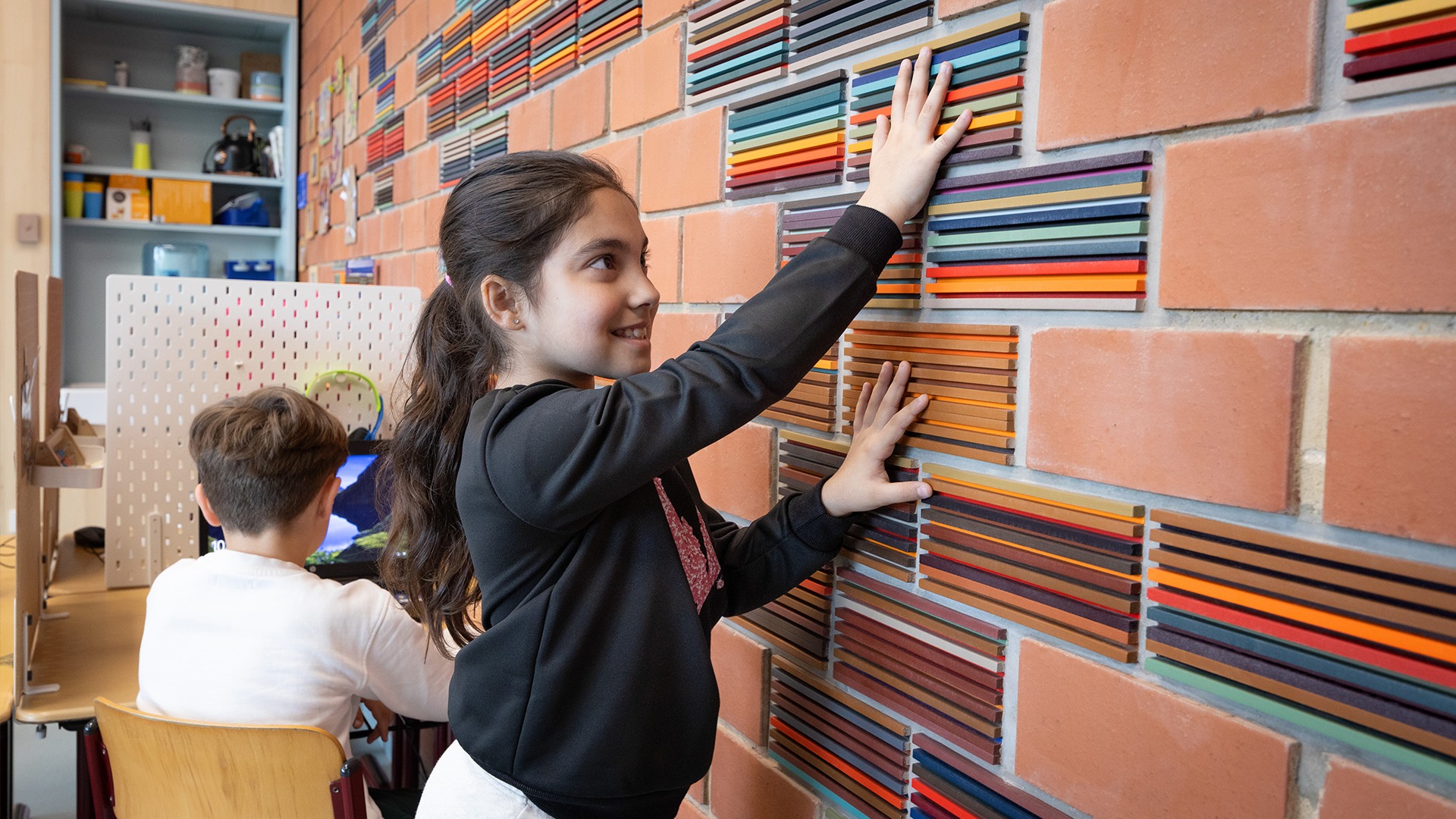
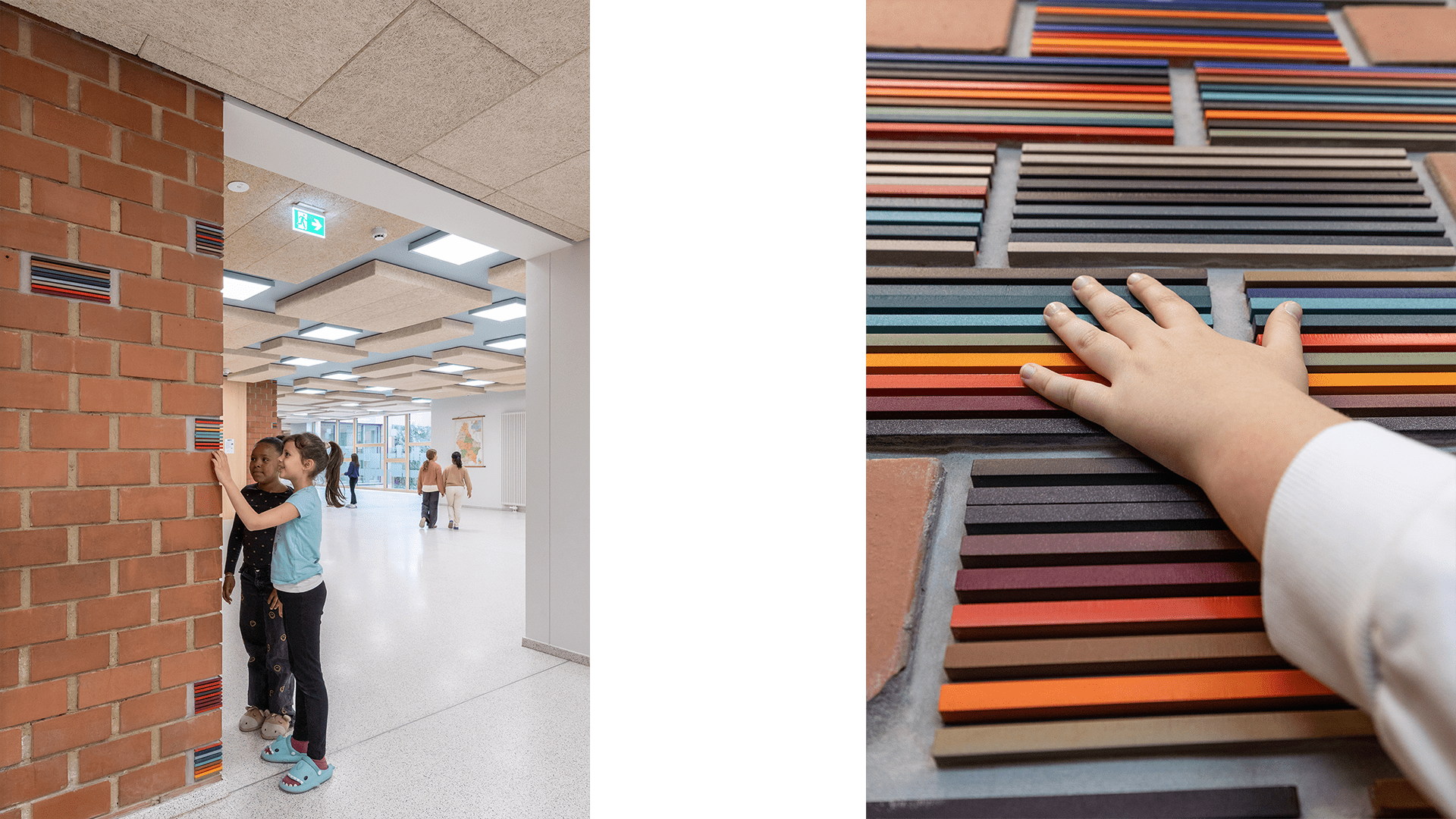
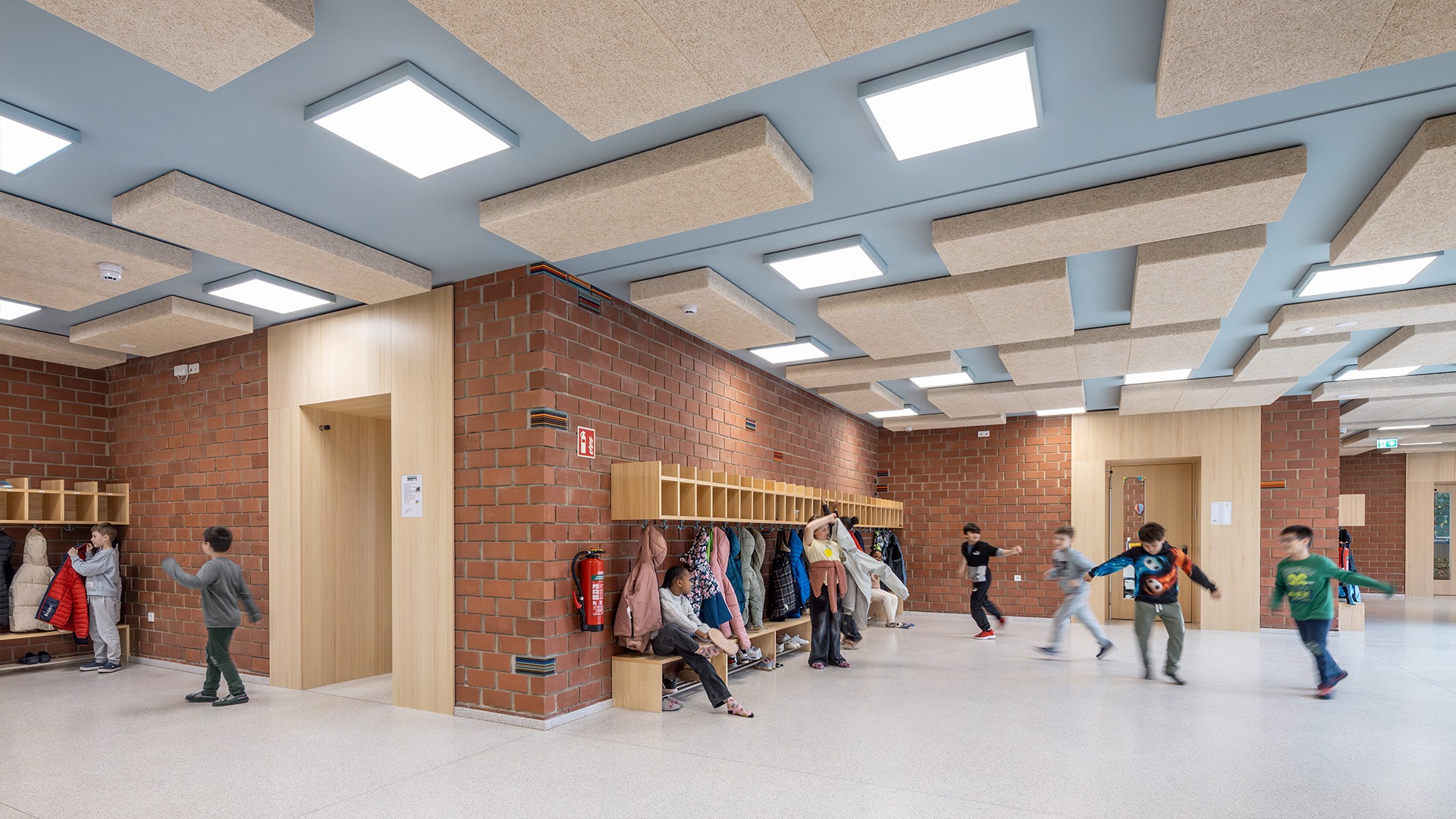
Where bricks were missing or broken, a participatory artistic process was initiated. In collaboration with local artists, children, the future users of the school, were invited to design their own bricks during workshops held on site. These colourful, imaginative pieces were then integrated directly into the interior walls, becoming an integral part of the architecture.
The workshop “Zillen” was led by Alice and David Bertizzolo, who managed the design, conception, and technical supervision of the production of the atypical brick elements. They also oversaw the aesthetic composition of the walls and coordinated the project through to its completion.
This approach gave each child a sense of pride, authorship, and legacy, their creativity now literally embedded into the school they will inhabit.
Moving away from a traditional corridor layout
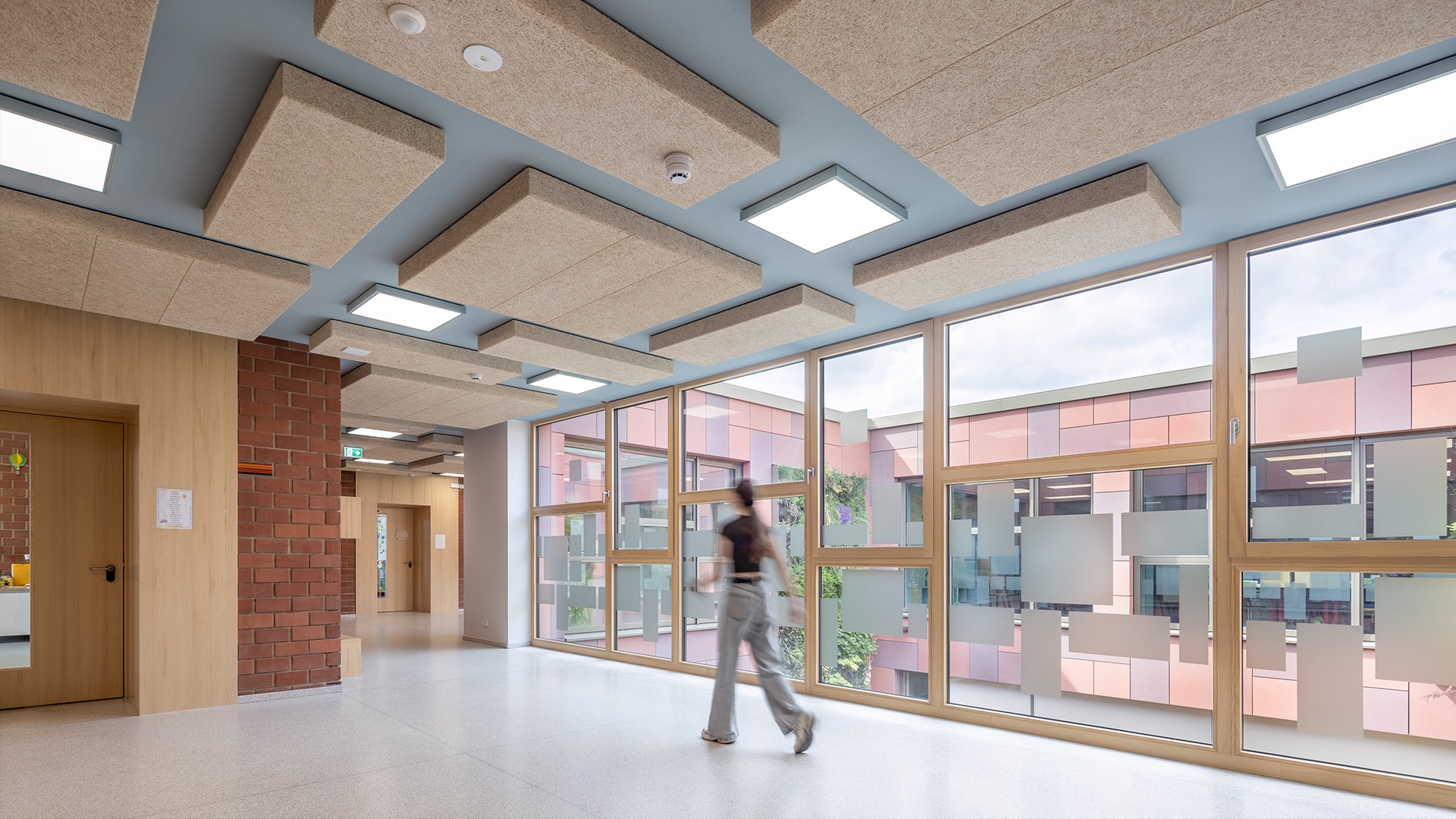
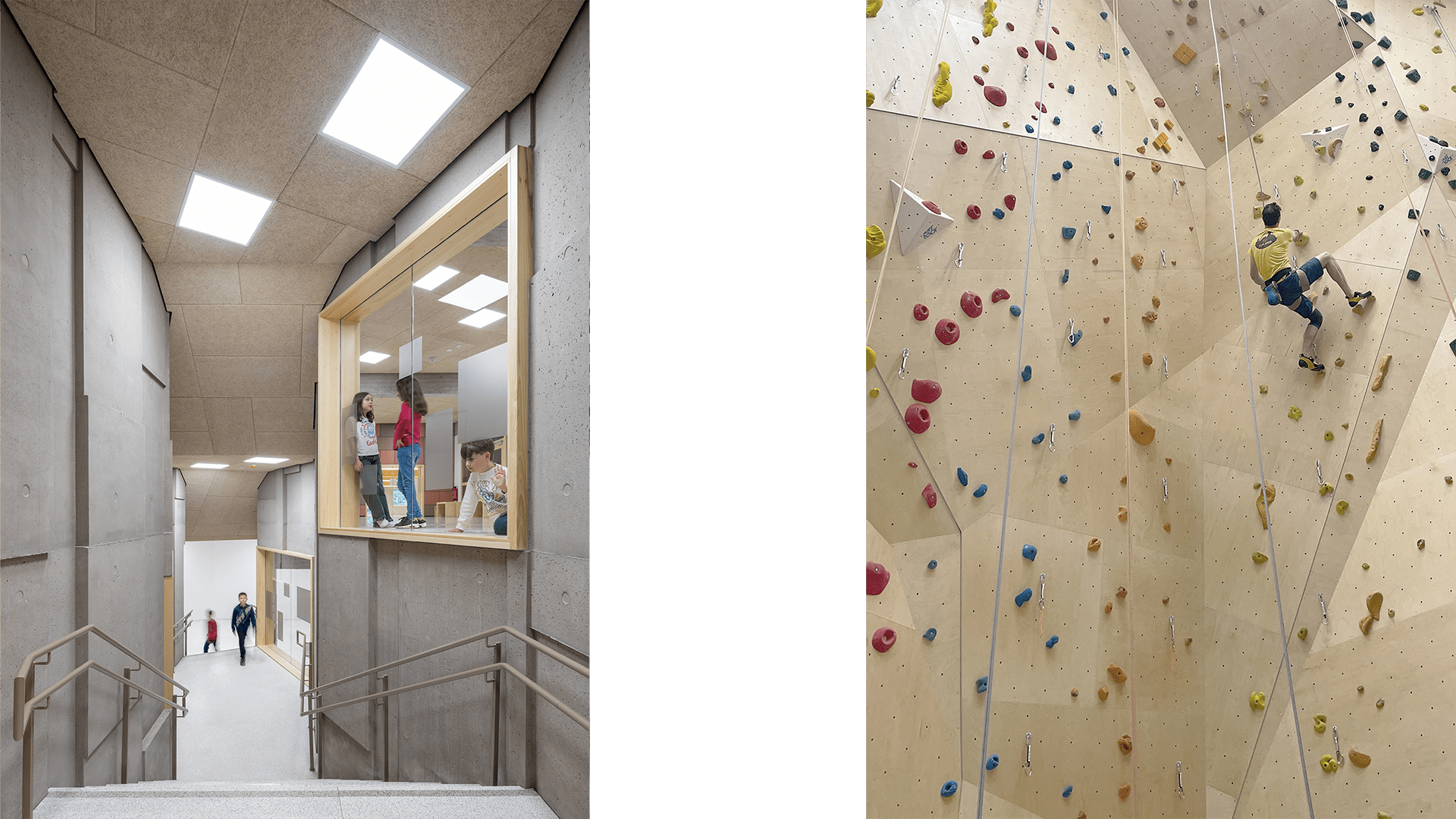
Architecturally, the project moves away from a traditional corridor layout. A series of offset, interlocking volumes generate generous, light-filled circulation spaces, which double as informal social and learning zones. Square classrooms allow for maximum flexibility, supporting evolving pedagogies and inclusive educational practices.
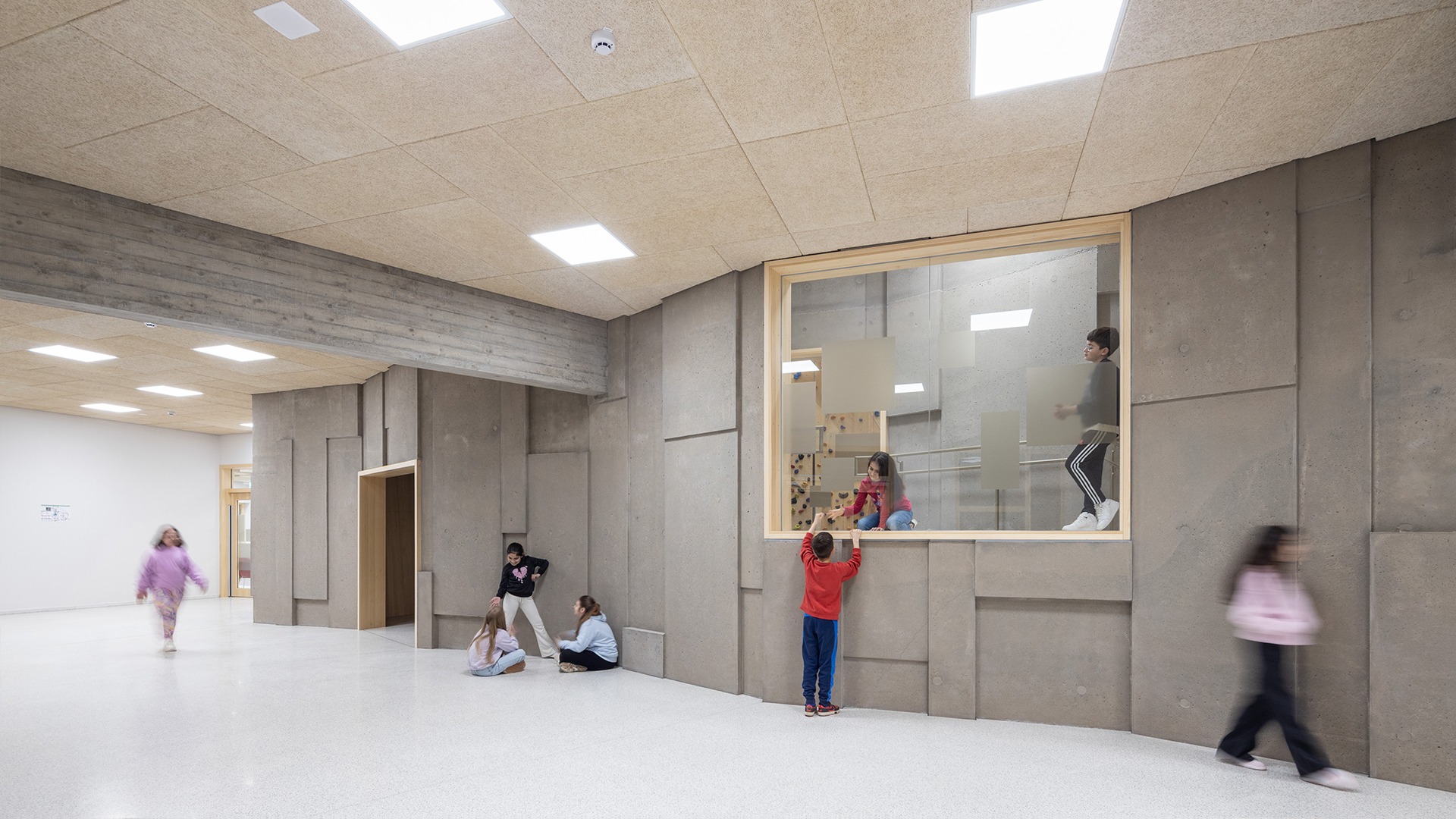
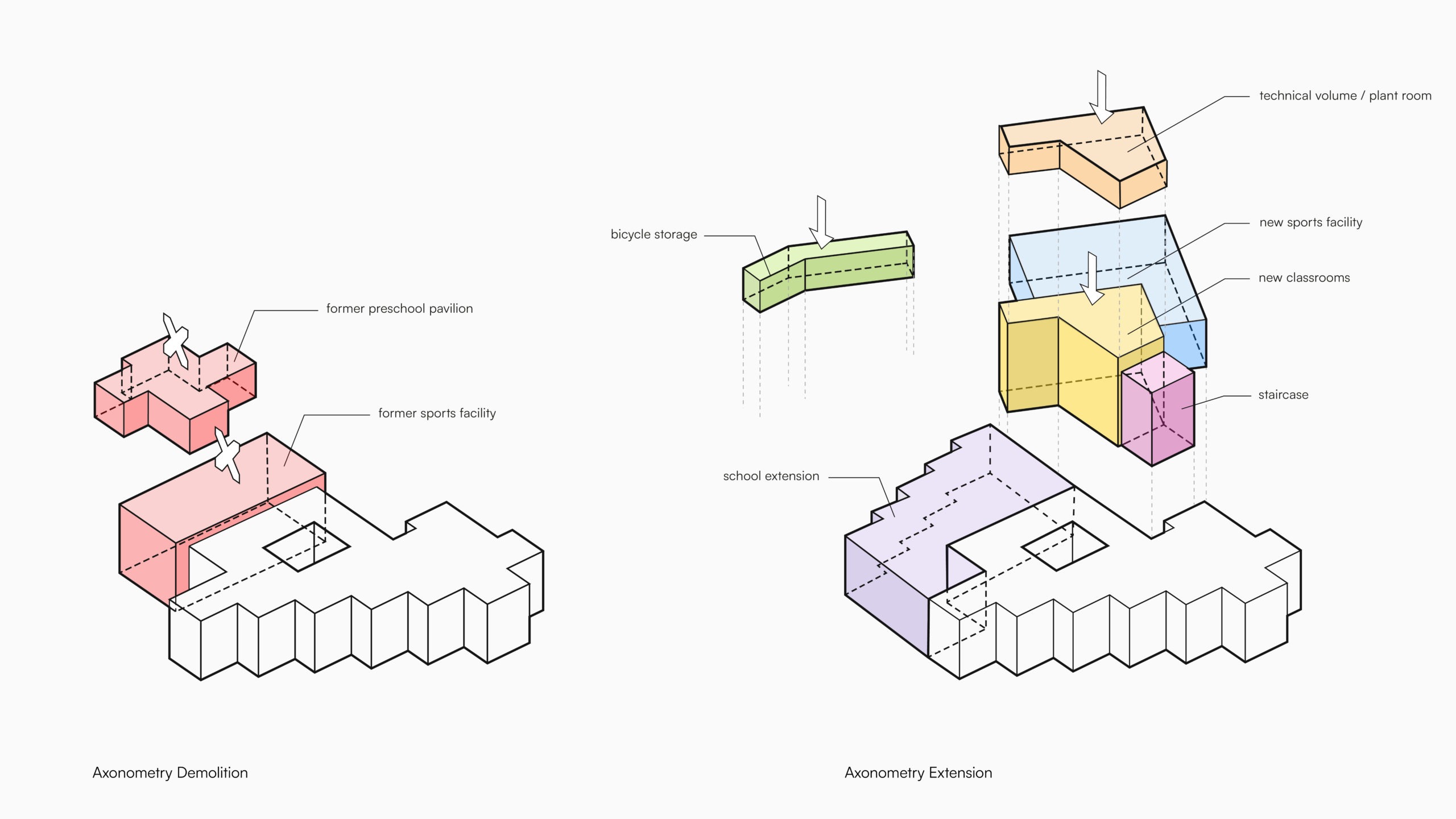
The extension introduces new functions including a sports hall, climbing wall, and dance space that open the school to the wider community. Through its retrofit strategy, participatory design, and inclusive programming, Um Bock School becomes more than a place to learn. It becomes a civic landmark and a co-created legacy.
Key project details
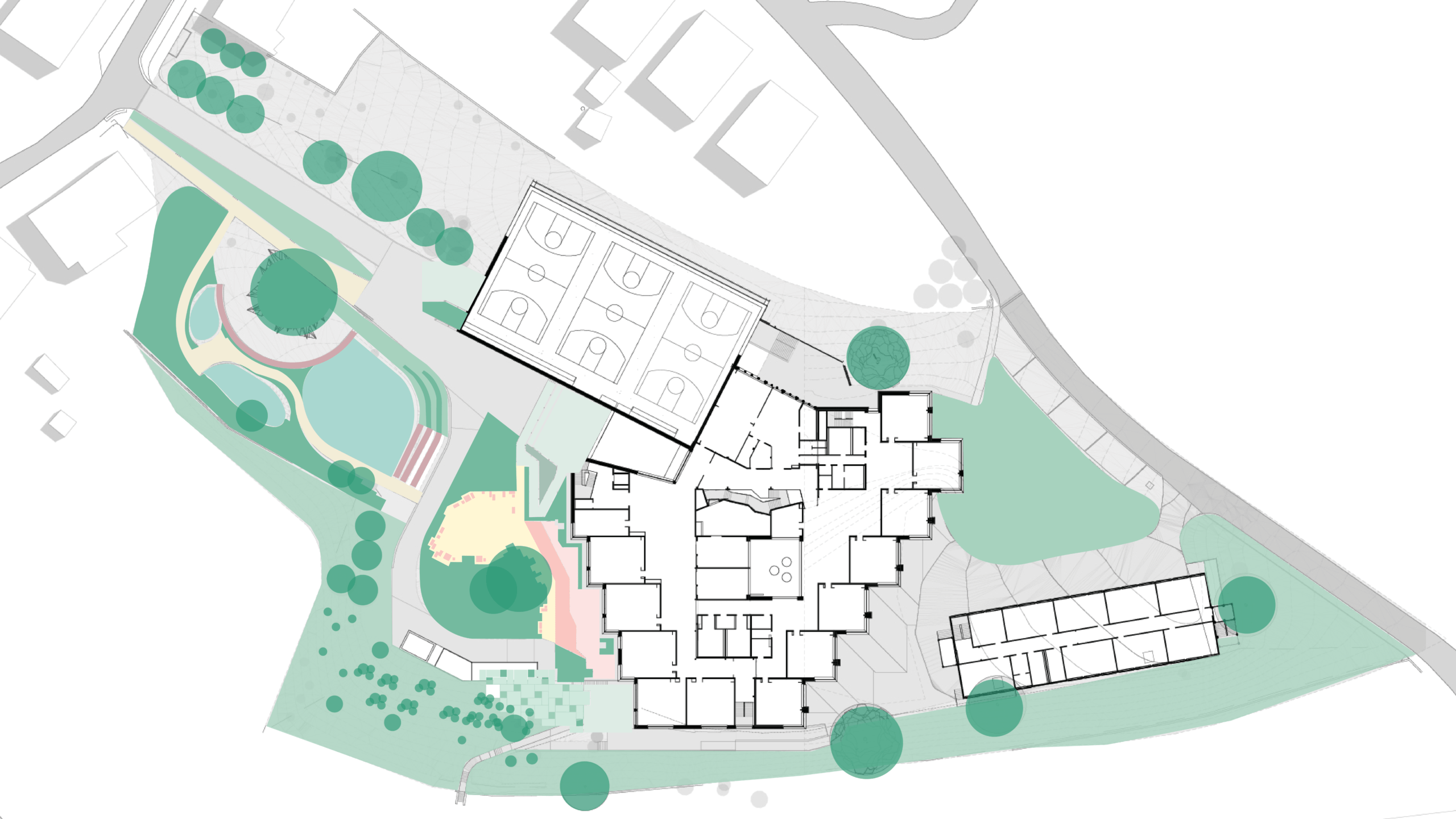
The central aim of the project was to preserve and enhance the distinctive architectural identity of the existing school building, which was highly valued for its exceptional design. The client also required the integration of multiple functions into a single, coherent structure: a school for children aged 3 to 12, a maison relais, and a variety of sports facilities including a large hall, dance and judo rooms, and a climbing wall.
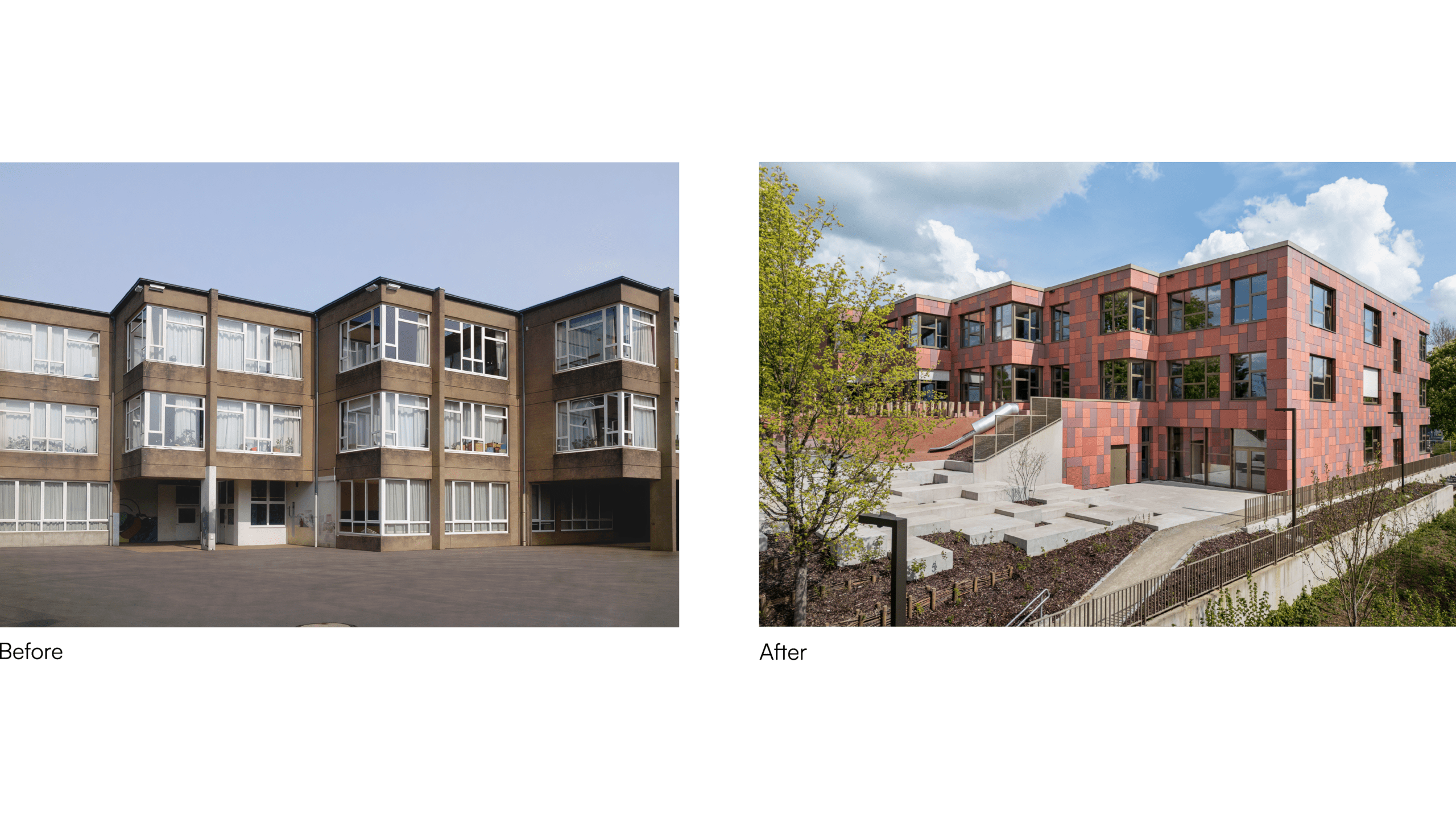
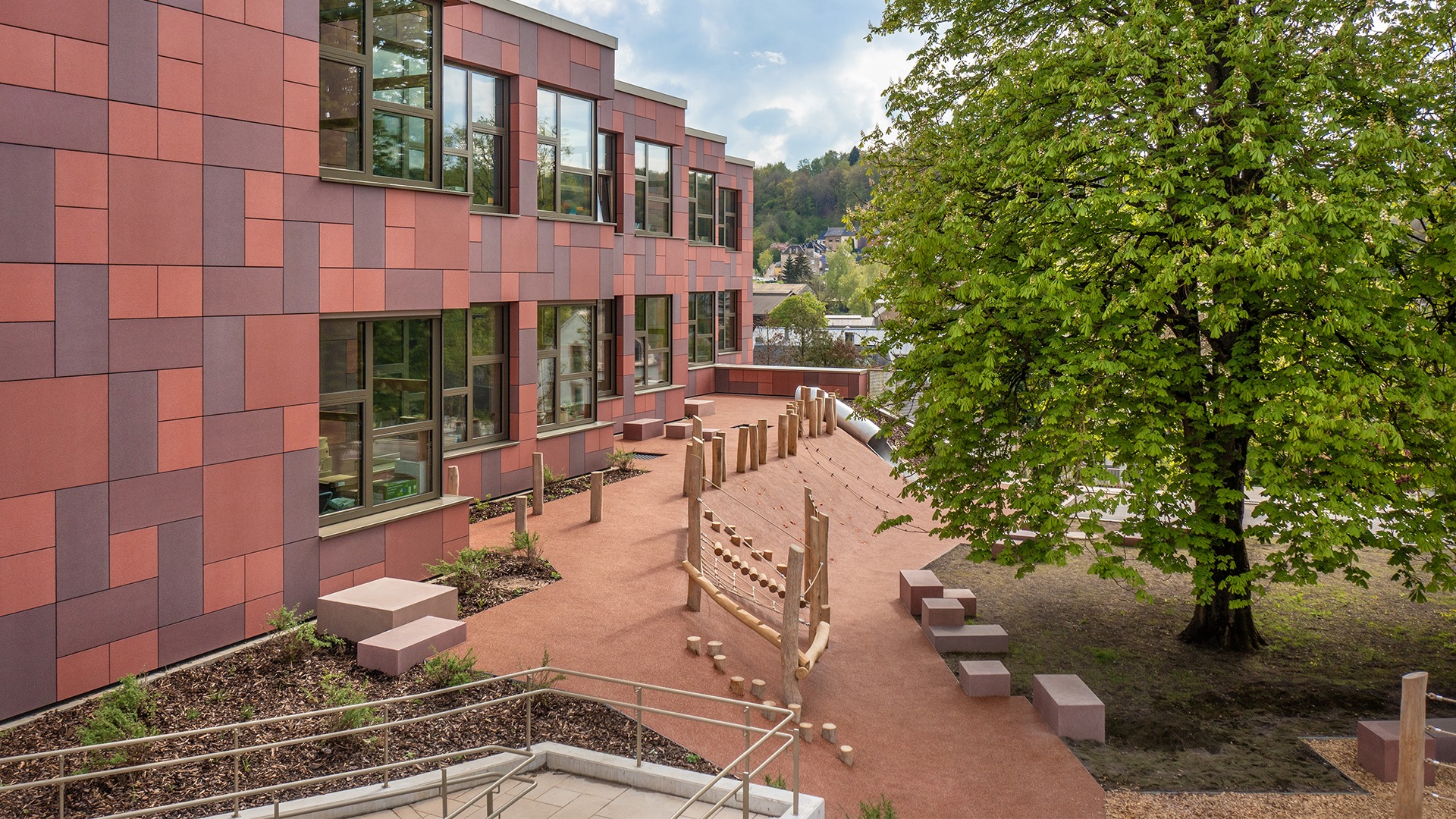
The main challenge was to respect the architectural and environmental context of the site. The design had to engage in a sensitive dialogue with its surroundings and maintain the spirit of the existing building. The extension was therefore conceived as a continuation of the original architecture, both in scale and materiality, ensuring a harmonious integration into the site.
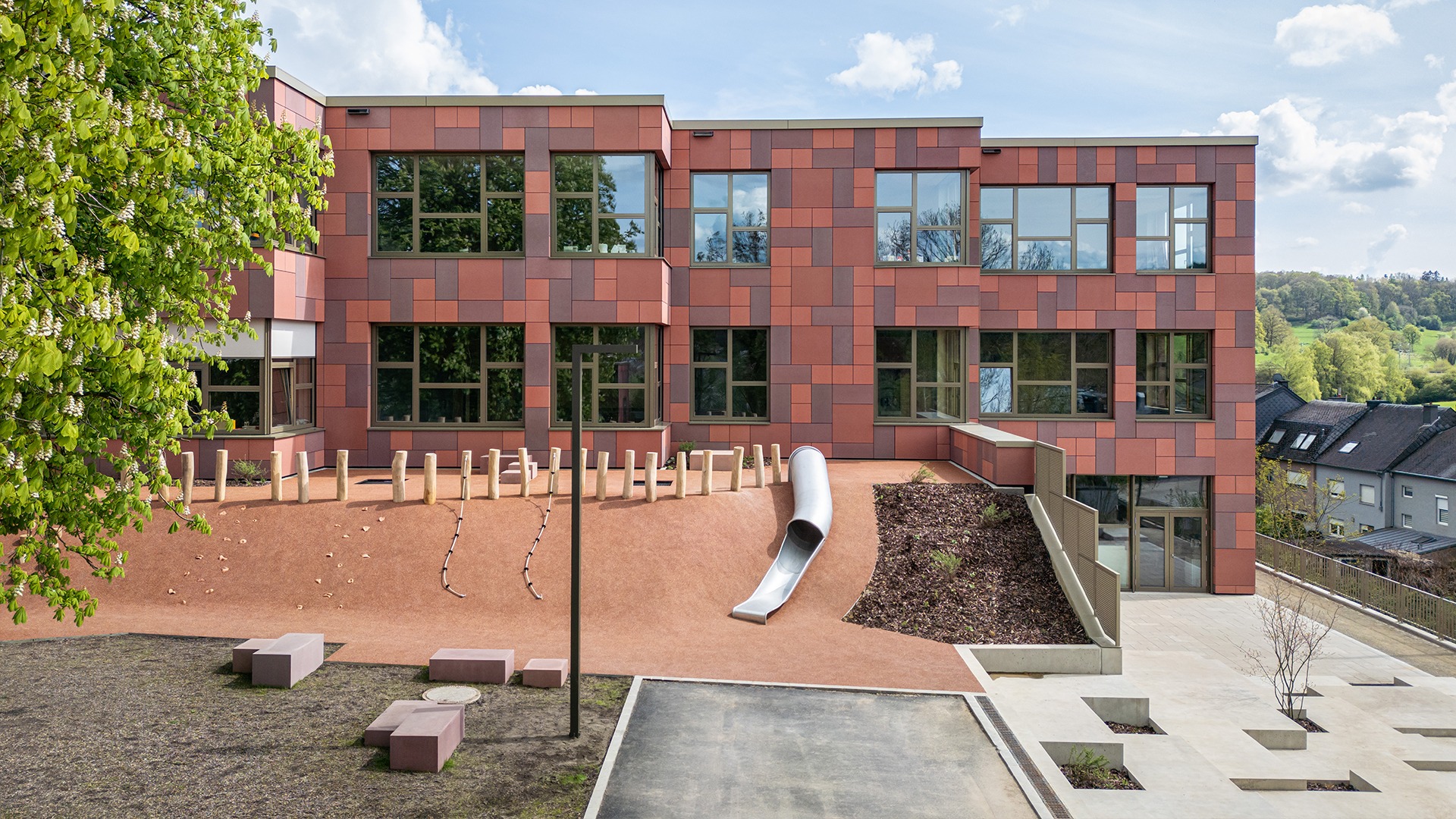
The existing building features wood-clad concrete façades and red brick interior walls, elements that were preserved and reinterpreted in the new construction. The extension uses exposed wood-textured concrete for the interior and red fibre cement panels on the façades to reflect the original’s mineral character. To soften the atmosphere for children, wood accents and grey-blue tones were added.
Creating an innovative, inclusive, and sustainable school
The Um Bock School project rethinks both architectural design and community engagement. Rather than simply restoring a mid-century school, the project embraced a creative repair process involving students, who designed replacement bricks now embedded in the building, transforming users into co-authors. Spatially, it replaces standard corridors with interlocking, light-filled volumes that double as informal learning and social areas. This flexible layout supports varied educational needs while fostering inclusivity. Sustainability is embedded through the preservation of the original 1950s structure, minimizing waste and embodied carbon. Community-oriented spaces like a dance studio and climbing wall extend the school’s function beyond education, making it a welcoming civic hub.
Location
Oberkorn, Luxembourg
Year
2021-2025
Typology
Educational
Size
9,767 m2
Status
Completed
Client
Ville de Differdange
External Collaborator
Structural engineer: LSC360 | MEP engineer: Entec | Workshop "Zillen": Alice and David Bertizzolo | Climbing Wall: Artrock
Photographer
Steve Troes Fotodesign
Award
Winner, German Design Awards 2026